
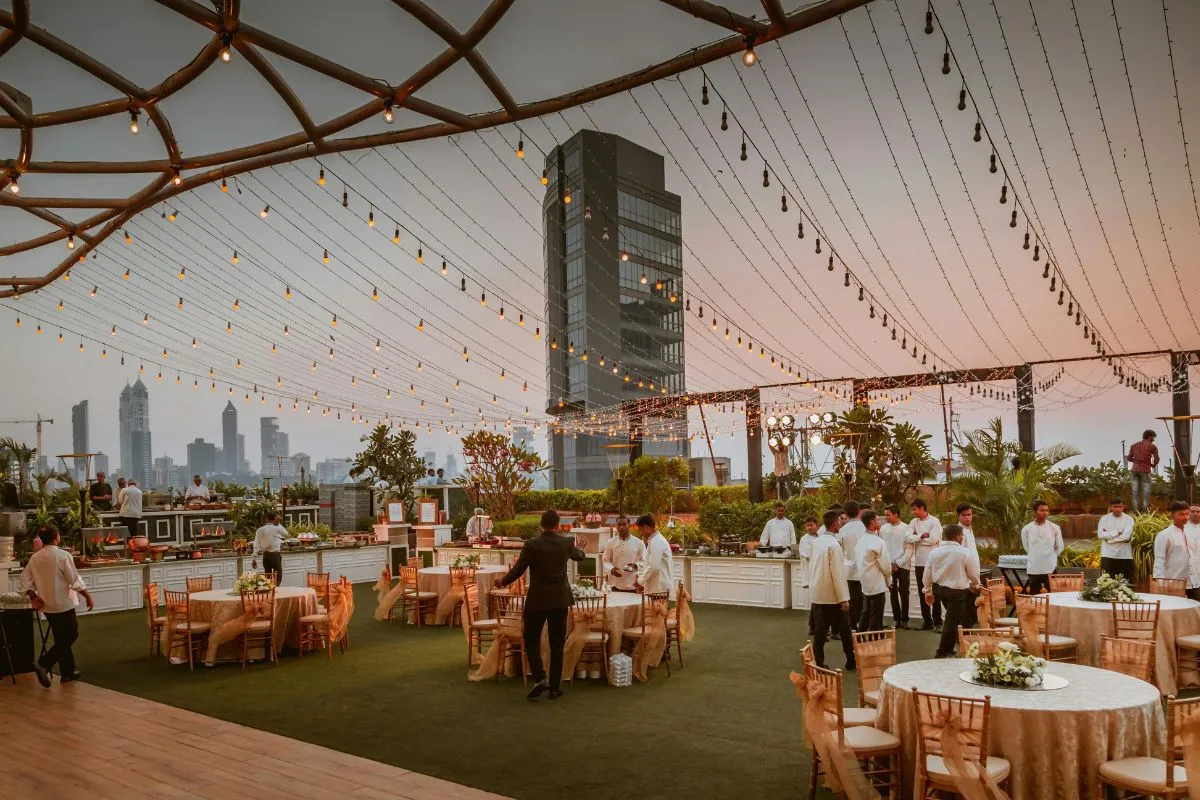
Austin has a very different feel from a lot of traditional corporate event cities. Companies still host conferences, leadership meetings, and large business events there, but the atmosphere tends to feel less rigid and more experience-driven. A lot of businesses choose Austin because it gives attendees something beyond sitting in conference rooms all day. Between the live music scene, restaurants, outdoor spaces, and growing tech presence, the city naturally lends itself to events that feel more engaging and less overly corporate.
At the same time, that style of event can actually be harder to execute well behind the scenes. Companies are no longer just planning presentations and schedules. They are building networking experiences, branded environments, offsite dinners, entertainment, and multi-day event programming all at once. Once production, vendors, transportation, staging, and venue coordination get added into the mix, things can become complicated quickly.
That’s usually why businesses bring in experienced event planners and production teams early in the process. Companies organizing conferences, retreats, or large company gatherings often rely on outside event coordination support to help keep logistics, production schedules, and vendor communication organized before attendees ever arrive.
One thing that separates Austin from a lot of other event markets is that companies often want events there to feel more interactive and less overly formal. That can mean incorporating live entertainment, outdoor networking spaces, branded activations, or social experiences into the overall event schedule.
But those additions also create more moving parts. A corporate event in Austin, TX that includes presentations during the day and entertainment at night operates very differently than a simple ballroom meeting. Production timelines become tighter, vendors overlap, schedules shift constantly, and technical coordination becomes much more important once events start happening across multiple spaces.
That’s where experienced event planners usually make the biggest impact. Good production teams help events feel seamless for attendees even when there is a lot happening behind the scenes at the same time.
Most companies are not looking for the most over-the-top event possible. They usually want an event that feels organized, professional, and easy for attendees to move through without confusion or constant delays.
That includes everything from presentation timing and audiovisual quality to registration flow, staging, lighting, transportation, and communication between vendors. Problems tend to become noticeable quickly at live events, especially once executives, clients, or large employee groups are involved.
A lot of businesses also prefer working with teams that can manage multiple parts of the production internally instead of outsourcing everything separately. Keeping staging, lighting, technical production, and coordination under one team usually makes communication much easier throughout the planning process. Businesses hosting leadership retreats or recurring company events also tend to value partners that understand how company meeting production works from both the logistical and technical side.
Event Solutions Group supports conferences, meetings, corporate productions, and branded events across major cities, including Austin. Their team provides audiovisual services, staging, lighting, event management, and technical production support for businesses planning both single-day and multi-day events.
Corporate events often involve far more coordination than attendees realize. There are presenters arriving, schedules changing, vendors setting up, production crews troubleshooting equipment, and event staff managing transitions throughout the day. Without strong communication between teams, events can start feeling disorganized very quickly.
Having an experienced production team involved from the beginning helps keep those moving pieces connected before issues start affecting the attendee experience. That includes everything from staging and sound coordination to onsite production management during the event itself.
Their team supports leadership conferences, employee events, training seminars, awards ceremonies, networking events, and larger business productions throughout the country. Companies hosting conferences and company events in Texas often look for Austin conference production support that can manage both the technical execution and the overall flow of the event itself.
Austin continues attracting corporate events because it offers a different environment than many larger convention cities. The city has grown significantly as a business and tech hub, but it still maintains a more relaxed atmosphere that companies often want for retreats, networking events, and leadership gatherings. According to Visit Austin, the city continues to attract meetings and conventions because of its venue options, entertainment scene, and accessibility for travelers.
The city also works well for companies trying to create events that feel more memorable instead of overly corporate. Many businesses want attendees to feel engaged throughout the experience rather than simply sitting through presentations all day.
At the same time, expectations around event quality have increased. Companies care more now about branding, production value, event flow, and overall attendee experience than they used to. People may not always notice flawless production, but they definitely notice when an event feels unorganized.
The corporate events people remember most usually feel smooth from beginning to end, even when there is a lot happening behind the scenes. That level of organization typically comes from strong planning, production coordination, and teams that know how to handle problems before attendees ever notice them.
If your company is planning a conference, retreat, meeting, or corporate event in Austin, Event Solutions Group Contact Page can help support the production and coordination side of the event so your team can focus on the experience itself instead of managing logistics throughout the day.
"*" indicates required fields