
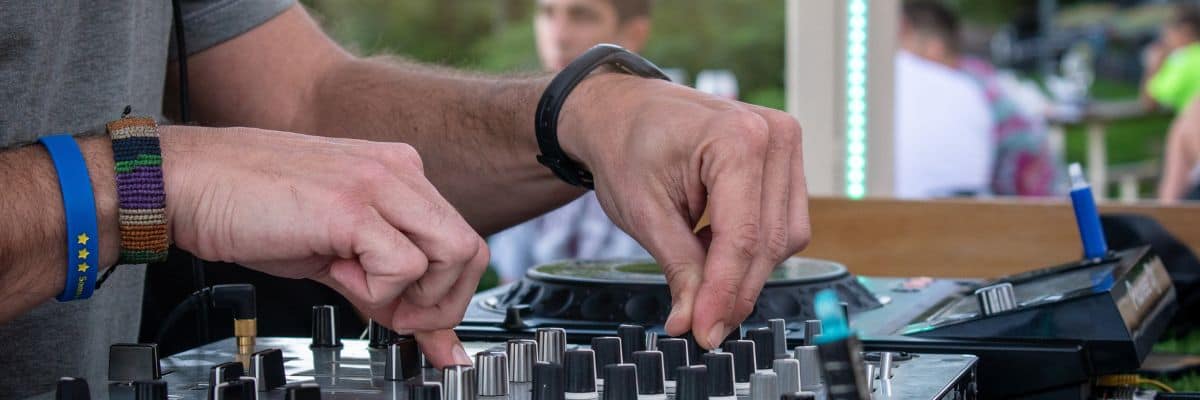
For most couples in the United States, hiring a professional wedding DJ typically costs between $1,000 and $2,500, with many quotes landing squarely in the $1,300–$1,900 range. That figure represents a solid, experienced DJ providing music, announcements, and coordination for a standard wedding reception. Prices can be lower for very simple setups or much higher for premium talent and production-heavy packages. In some markets, top-tier wedding DJs and full-day services can reach $3,000–$5,000 or more.
Understanding why prices vary, what you actually get at different price levels, and how to budget realistically will help you choose a DJ who fits both your wedding vision and your finances.
Wedding DJ pricing generally falls into three broad tiers. While exact numbers vary by region and demand, these ranges reflect what most couples encounter when requesting quotes.
Budget or entry-level wedding DJs often charge around $400–$1,000. These options are more common in smaller markets, rural areas, or for very simple receptions. Coverage may be limited to a few hours, and the setup is typically basic.
At this level, the DJ may be newer to weddings, part-time, or focused more on playing music than managing a complex event timeline. Some couples find this works well for casual celebrations or smaller gatherings, but it is important to understand what is and is not included. Backup equipment, detailed planning meetings, and strong MC skills may be limited or unavailable.
The majority of couples hire a DJ in the $1,000–$3,000 range. This tier typically includes 4–6 hours of reception coverage, professional-grade sound equipment, an experienced MC, and basic lighting. DJs in this category are often specialists in weddings, comfortable managing introductions, first dances, toasts, and pacing throughout the night.
This range tends to offer the best balance of reliability, experience, and value. DJs usually include setup and teardown, planning consultations, and contingency plans such as backup gear. For most traditional weddings, this is where couples find a dependable professional who can read the room and keep the celebration flowing.
In high cost-of-living areas and major metropolitan markets, highly sought-after wedding DJs often charge $2,500–$5,000 or more. These DJs typically bring extensive experience, refined performance skills, and elevated production options. Many are booked far in advance and work a limited number of events each year.
High-end packages may include full-day coverage, advanced lighting design, custom mixes, multiple sound systems for different spaces, and seamless coordination with planners and venues. Couples choosing this tier often prioritize music and atmosphere as a central part of their wedding experience.
Wedding DJ pricing is not arbitrary. Several key factors consistently influence how much you will be quoted.
Geography plays a major role. Weddings in large cities or popular wedding destinations generally cost more than those in small towns or less competitive markets. Higher living costs, travel time, and demand all contribute to higher DJ rates in metropolitan areas.
Seasonality can also matter. Peak wedding months often bring higher prices, especially for in-demand dates like Saturdays in late spring and early fall.
Most base packages include reception-only coverage, typically lasting four to six hours. Adding services such as ceremony music, cocktail hour playlists, or an after-party increases the total cost. Longer events require more time, setup, coordination, and often additional equipment.
Couples planning multiple locations or transitions should expect higher quotes to reflect the added complexity.
An experienced wedding DJ does far more than play songs. Veteran professionals manage timelines, coordinate with vendors, handle announcements smoothly, and adapt to unexpected changes. DJs with strong reputations, extensive reviews, and years of wedding-specific experience generally charge more because they reduce risk and stress.
Newer or part-time DJs may offer lower prices, but couples should weigh savings against reliability and performance under pressure.
The base DJ fee often covers sound for one area and basic lighting. Additional features can significantly affect the final price. Popular upgrades include uplighting, custom monograms, extra speakers for outdoor ceremonies, subwoofers for larger dance floors, special effects, or additional microphones.
Travel fees may apply if the venue is far from the DJ’s home base, especially for destination weddings.
A common guideline is to allocate about 3–5% of your total wedding budget to music and entertainment if you want a solid professional DJ experience. For example, on a $40,000 wedding, that would mean roughly $1,200–$2,000 for a DJ.
This percentage is not a rule, but it helps contextualize DJ pricing within the broader budget. Couples who place a high priority on dancing and atmosphere may choose to spend more, while smaller or daytime weddings may spend less.
When comparing DJs, price alone rarely tells the full story. Two quotes with the same dollar amount can represent very different levels of service.
Ask each DJ for a detailed breakdown of what is included. Confirm the number of hours, setup and teardown, planning meetings, and whether ceremony and cocktail hour coverage are part of the package. Ask about backup equipment and contingency plans in case of technical issues.
MC services are another key consideration. Some DJs are excellent music mixers but less comfortable making announcements or guiding the event. Others specialize in smooth, confident MC work that keeps the schedule on track without being intrusive.
Review sample contracts carefully to understand cancellation policies, overtime rates, and what happens if the DJ becomes unavailable.
Beyond pricing and packages, compatibility matters. Your DJ will play a major role in shaping the energy of your wedding day. Look for someone whose style aligns with your vision, whether that means high-energy club mixes, classic wedding favorites, or a more understated approach.
Communication is critical. A DJ who listens well, asks thoughtful questions, and responds promptly is more likely to deliver an experience tailored to your preferences. Crowd-reading ability is also essential. An experienced wedding DJ knows when to adjust the music based on who is on the dance floor and how the evening is unfolding.
Finally, trust your instincts. A DJ who fits your style, budget, and comfort level is often worth more than a slightly cheaper option that feels uncertain.
Most couples can expect to spend around $1,000–$2,500 for a professional wedding DJ, with higher prices reflecting experience, demand, and added production. Understanding typical price ranges, cost drivers, and what is included in different packages helps you budget realistically and choose with confidence.
By focusing not just on price but on value, reliability, and fit, you can hire a DJ who enhances your wedding day and creates an atmosphere your guests will remember long after the last song plays.
"*" indicates required fields